


Five myths about plastic
Plastic: Guilty or Misunderstood? Debunking the Last 5 Myths About Plastic (Part 2)
If you haven’t read Part 1 yet, we recommend reviewing it for complete context. In Part 1, we looked at five common myths about plastics and packaging. Here, we continue with five topics related to recycling, bio-based plastics, microplastics, and recycled materials.
The goal is simple: look at the facts without oversimplifying a complex subject.
Five myths about plastic
Five myths about plastic
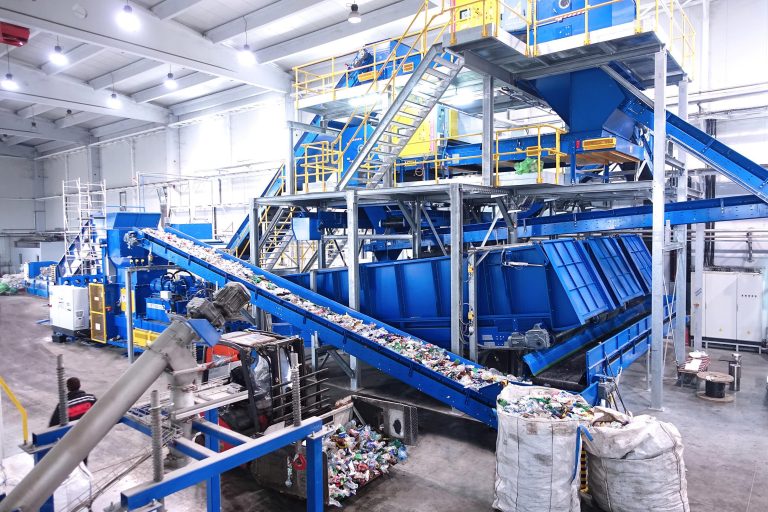
Myth 6: Recycling Plastics Doesn't Make a Difference
It does.
Recycling helps keep materials in use and can reduce the need for virgin resources. It is an important part of a circular plastics economy, together with better product design, collection, reuse, and waste management.
The takeaway: Recycling is part of the solution, but it works best as part of a broader approach.
Five myths about plastic
Myth 7: Bio-Based Plastics Are Always Better for the Environment
Not necessarily.
Being made from plant-based resources does not automatically make a plastic more sustainable. Its environmental performance depends on factors such as how the raw materials are produced, how the product is manufactured, and what happens at the end of its life.
The takeaway: “Bio-based” describes the origin of a material, not its complete environmental impact.
Five myths about plastic
Myth 8: Plastic Recycling Is Practically Nonexistent in Mexico
Not when it comes to PET.
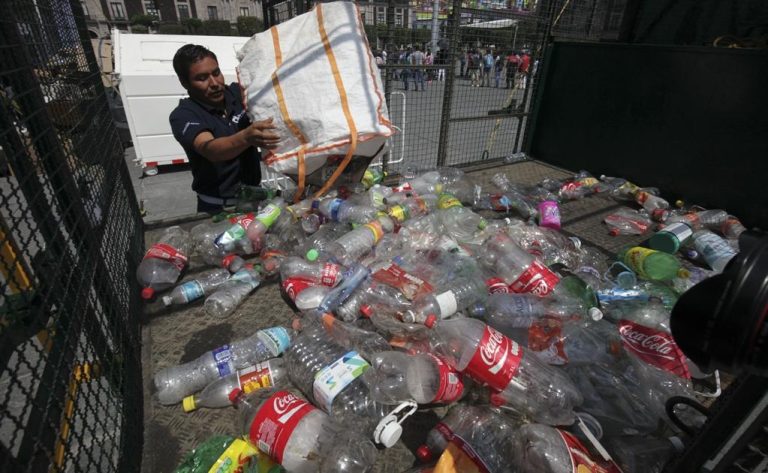
Mexico has developed significant PET collection and recycling infrastructure. Recent industry data reports that approximately 63% of PET containers placed on the Mexican market are recovered for recycling.
This does not mean that every type of plastic is recycled at the same rate. However, PET shows how collection systems, recycling infrastructure, and demand for recycled material can support a circular economy.
The takeaway: Effective recycling systems can make a measurable difference.
Five myths about plastic
Myth 9: Plastic Packaging Is the Main Source of Microplastics
The picture is more complex.
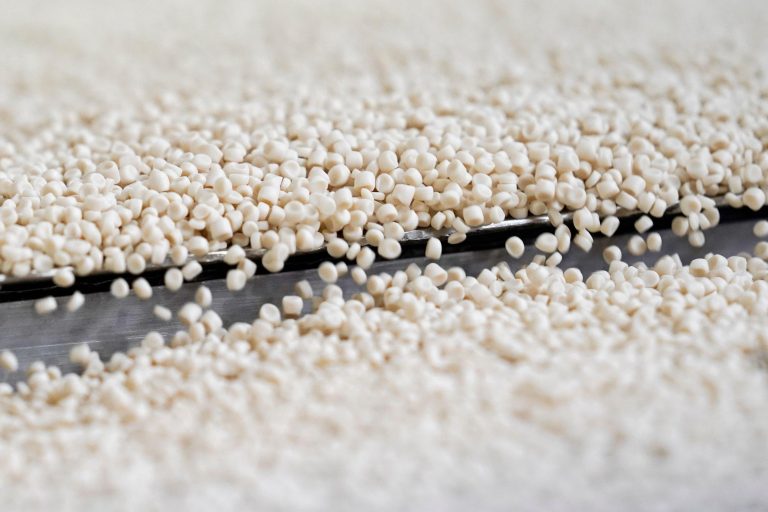
Microplastics come from many sources. In the European Union, important sources include paints, tire abrasion, plastic pellets, and textiles. Tire wear is one of the largest sources identified in current European assessments.
This does not mean plastic packaging has no environmental impact. It means that microplastic pollution cannot be attributed to packaging alone.
The takeaway: Understanding the different sources is essential for developing effective solutions.
Five myths about plastic
Five myths about plastic
Myth 10: Recycled Plastic Is Automatically Less Safe Than Virgin Plastic
Not necessarily.
Recycled plastic can be safely used for food-contact applications when the material and recycling process meet the applicable safety requirements.
Both the U.S. FDA and the European Union have specific requirements and evaluation processes for recycled plastics used in food-contact applications.
The takeaway: Safety depends on the material, recycling process, intended use, and compliance with applicable regulations.
A More Informed Approach
Recycling, bio-based materials, and recycled plastics all have a role to play in the future of the plastics industry.
The most useful approach is not to label a material simply as “good” or “bad,” but to consider how it is produced, used, recovered, and managed throughout its life cycle.
At AMK Plastics, we believe that better decisions start with better information.
References
- OECD – Global Plastics Outlook — Plastics, circularity, recycling and waste management.
- European Environment Agency (EEA) — Microplastic releases and their main sources.
- U.S. FDA — Use of recycled plastics in food packaging.
- European Commission — Safety requirements for recycled plastics in food-contact applications.
- ECOCE — PET recovery and recycling in Mexico.
Recycling, bio-based materials, and recycled plastics each have an important role in the future of the plastics industry. As we’ve seen, however, their benefits and challenges depend on how they are produced, used, recycled, and managed.
The goal should not be to label plastic simply as “good” or “bad,” but to make informed decisions based on facts, science, and the full life cycle of the material.
At AMK Plastics, we believe that better information leads to better decisions. By supporting efficient manufacturing, recycling, and innovative technologies, we can help move the plastics industry toward a more circular and responsible future.
blow molding machines for business, blow molding investment, blow molding advantages, plastics industry growth, plastics manufacturing profitability, blow molding machine distributor, plastics machinery supplier