


Plastic: Guilty or Misunderstood? 5 Myths About Plastics and Sustainability (Part 1)
Plastic is often at the center of environmental discussions. Some concerns are well founded, while other claims can be too broad or overlook the bigger picture.
The environmental impact of a plastic product depends on how it is produced, used, transported, and managed at the end of its life. Here are five common myths worth looking at more closely.
Bag Making Machines - Innovation and Efficiency
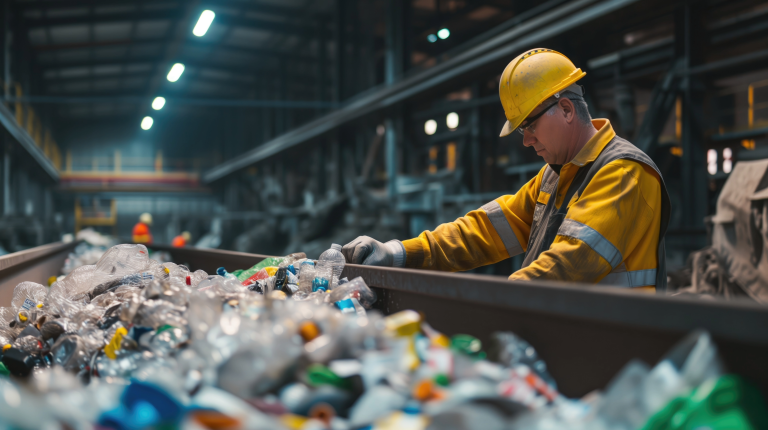
Myth 1: Plastic Is Always Less Sustainable Than Other Materials
Not necessarily.
The environmental performance of packaging depends on its complete life cycle, including production, transportation, reuse, recycling, and end-of-life management.
For example, PET’s low weight can provide transportation advantages compared with heavier packaging materials. However, the best option depends on the specific application and how the packaging system is used and recovered.
The takeaway: There is no single packaging material that is always the most sustainable choice.
Bag Making Machines – Innovation and Efficiency
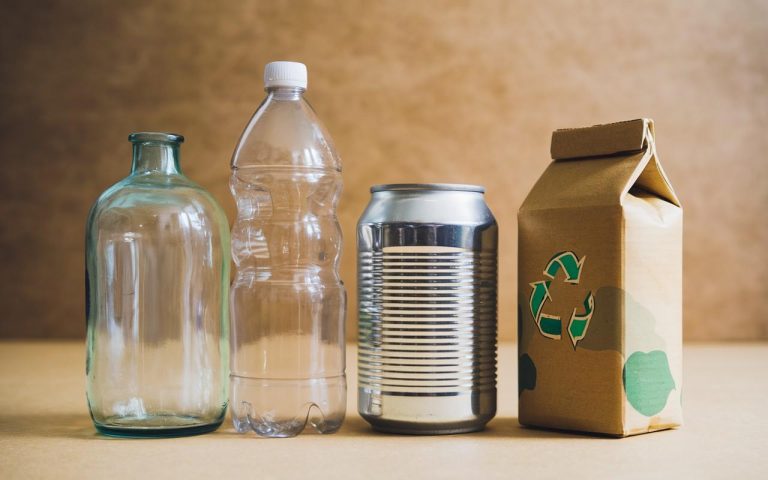
Myth 2: Replacing Plastic Automatically Means a Lower Environmental Impact
Not always.
Replacing plastic with another material does not automatically result in a lower overall environmental impact. Packaging must also protect the product, support transportation, and perform effectively throughout its intended use.
Life-cycle assessments are therefore important when comparing different packaging solutions.
The takeaway: The right question is not simply “plastic or not?” but which solution provides the required performance with the lowest overall impact.
Bag Making Machines – Innovation and Efficiency
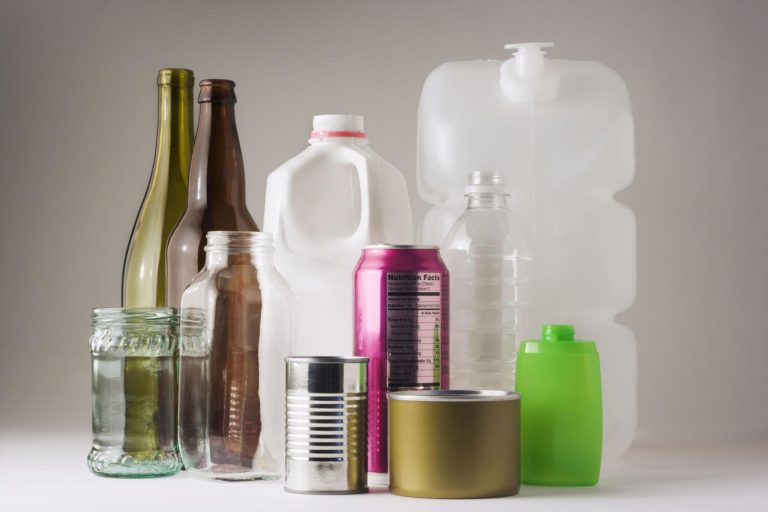
Myth 3: Less Packaging Is Always Better
Using less material can help, but less is not always better.
Packaging can protect products and help reduce damage and food waste. Research on food packaging shows that packaging can influence the environmental impact of the product itself, particularly through shelf life and food waste.
The takeaway: Good packaging design should aim for the right amount of material, not simply the minimum amount.
Bag Making Machines – Innovation and Efficiency
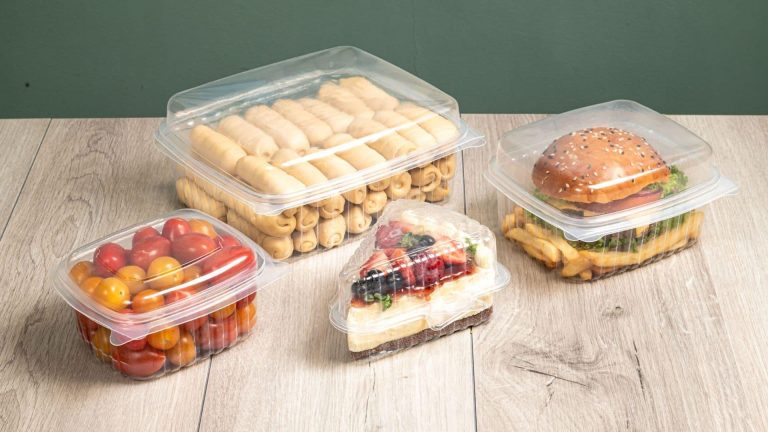
Myth 4: Plastic Makes Up Most Packaging Waste
In the European Union, it does not.
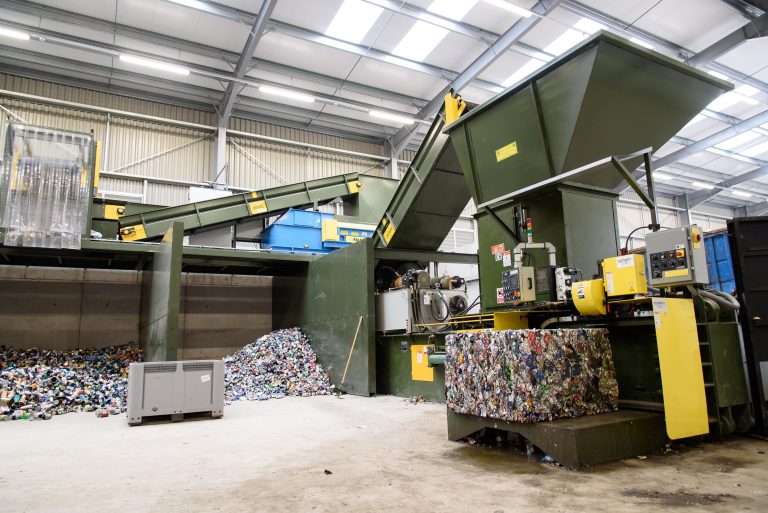
In 2023, paper and cardboard represented 40.4% of EU packaging waste, while plastic represented 19.8%. Glass accounted for 18.8%, wood for 15.8%, and metal for 4.9%.
This does not mean plastic waste is not a problem. It shows that packaging waste is a broader issue involving several materials.
The takeaway: better collection, recycling, reuse, and waste management are important across the entire packaging system.
Blow Molding Machines, blow molding market, blow molding applications, plastic containers, automotive industry, toy industry, plastic furniture, medical sector, plastics business opportunities.
Myth 5: Plastic is a major driver of global warming
This is also an oversimplification.
The OECD estimates that the plastics life cycle generated around 1.8 billion tons of greenhouse gas emissions in 2019, equivalent to approximately 3.4% of global emissions. Most of these emissions came from producing and converting plastics from fossil fuel feedstocks.
Plastic therefore has a meaningful climate impact, but there are opportunities to reduce it through greater material efficiency, recycled content, improved production, and more circular systems.
The takeaway: The goal should not simply be to label plastic as “good” or “bad,” but to find better ways to produce, use, recover, and manage it.
A More Informed View of Plastics
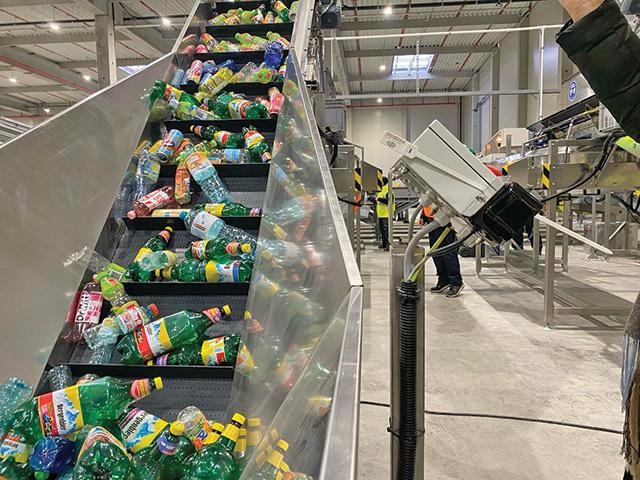
Plastic has real environmental challenges, but the discussion is more complex than a simple “plastic versus the environment” debate.
Better design, efficient production, responsible use, recycling, and informed material selection can all contribute to a more sustainable plastics industry.
At AMK Plastics, we believe that better decisions start with better information
References
- OECD – Global Plastics Outlook
- Eurostat – Packaging Waste Statistics
- International Journal of Life Cycle Assessment – Studies on packaging and food waste
- Environmental Impact Assessment Review – Modeling the carbon footprint in the life cycle of PET and glass packaging for beverages
In the second part of this article, we will continue to debunk more plastic-related myths, including topics such as recycling, plant-based materials, microplastics, and the safety of recycled plastics. Don’t miss it!
blow molding machines for business, blow molding investment, blow molding advantages, plastics industry growth, plastics manufacturing profitability, blow molding machine distributor, plastics machinery supplier