


Can Plastics Be Designed to Be Recycled? The Science Behind Circular Plastics
Scientists and packaging designers are increasingly asking a different question:
Can a plastic product be designed from the beginning so that it is easier to recycle at the end of its life?
The answer is yes. This idea is known as design for recycling or, more broadly, Design for Circularity.
Recycling Starts with the Design
Not all plastics are created equal — and not all of them are made with recycling in mind. Many packaging items combine different materials, use certain colors, or include adhesives, inks, and labels that make them difficult to recycle, even when the plastic itself is technically recyclable.
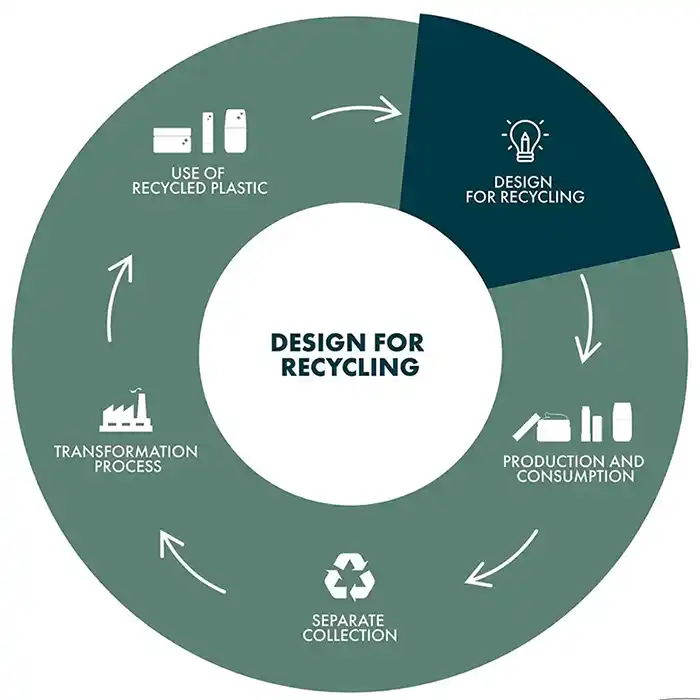
Design for recycling addresses this challenge from the very beginning: before production starts, before a product reaches a consumer, and long before it enters the waste stream.
By considering recyclability at the earliest stage of design, manufacturers can create packaging and products that are easier to collect, sort, process, and reuse.
Why Design for Recycling Matters
Modern recycling systems rely on the ability to identify, separate, and clean materials efficiently. When products are designed without recycling in mind, they can:
- Be rejected by sorting machines
- Contaminate recycling streams
- Lose material value during processing
- End up in landfills or incineration, even if the plastic is technically recyclable
A product designed for recycling, on the other hand, is more likely to:
- Be correctly identified during sorting
- Preserve polymer quality through its lifecycle
- Return as high-quality recycled material
This matters not only from an environmental perspective, but also from a technical and economic one.
Designing Plastic for Its Second Life
Several key design principles can make a plastic product more recyclable:
1. Choose Mono-Material Packaging
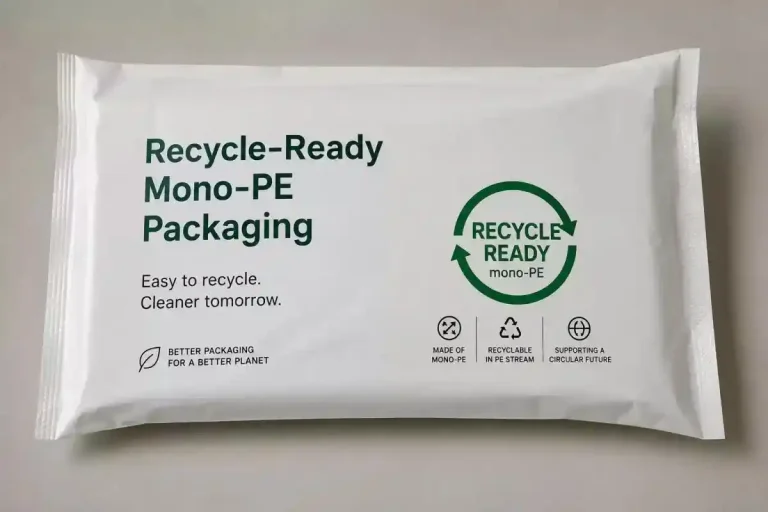
Products made from a single plastic are easier to sort and recycle than those combining multiple materials.
2. Avoid Problematic Combinations
Some color pigments, additives, or multilayer structures reduce recyclability. Simpler, cleaner formulations typically perform better in recycling systems.
3. Make Labels and Adhesives Recycling-Friendly
Labels, inks, and glues that do not detach properly during recycling can contaminate the plastic stream and reduce the quality of the recycled material.
4. Consider End-of-Life Sorting
Materials that can be easily identified in sorting facilities, such as those with suitable types and amounts of color, are more likely to stay inside the recycling system.
These are examples of what the Ellen MacArthur Foundation describes as Design for Recycling, an approach that places circularity at the core of product design.
What Does a Recyclable Product Really Look Like?
A truly recyclable product is one that can:
- Be collected through standard waste systems
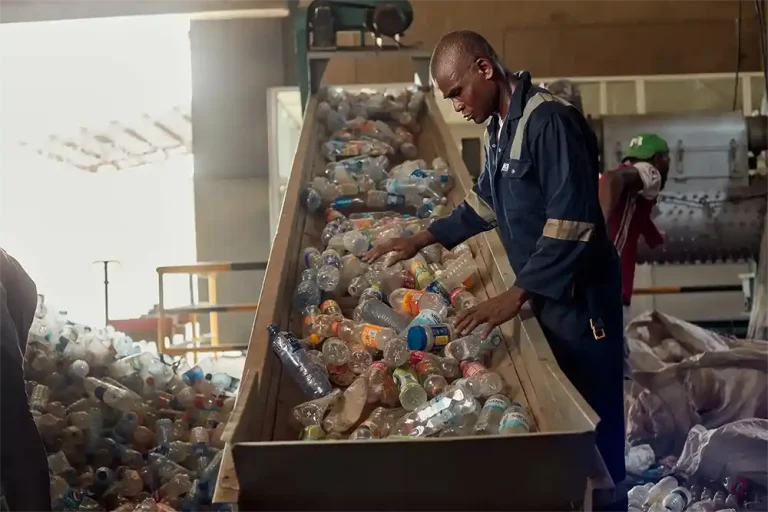
- Be sorted automatically or manually
- Be processed into high-quality recycled plastic
- Be reused in new products with minimal loss of value
Just because a product contains a recyclable polymer does not automatically mean it will be recycled. The entire system, from design to disposal, must support the process.
This is why design plays such a central role: without the right initial decisions, even the most recyclable polymer may never actually be recycled.
Why This Matters for the Future of Plastics
Many of the plastics we use every day were never originally designed to be recycled. They were created to protect, display, or deliver a product — not to re-enter the recycling system afterwards.
As global efforts intensify to improve plastic circularity, redesigning packaging and products becomes essential. Scientific research continues to explore new polymers that are easier to recover chemically, as well as advanced recycling technologies capable of processing plastics that were previously considered non-recyclable (technologies that must also account for plastic thermal degradation during repeated processing cycles.)
But even with the best available technology, recyclability truly starts at the drawing board.
Conclusion: Designing with Circularity in Mind
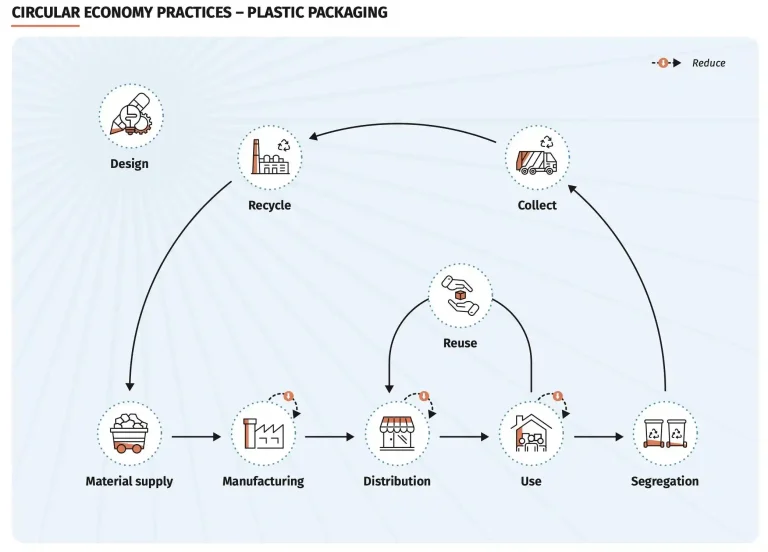
Design for recycling is not only a technical challenge, but also a cultural shift. It requires manufacturers, brand owners, policymakers, and consumers to think differently about materials and how products are created, used, and disposed of.
Plastics will continue to play an important role in packaging, healthcare, mobility, and countless other sectors. The question is not whether we will keep using plastics, but how we design them to work better within a circular economy.
Yes, plastics can be designed to be recycled, and increasingly, they are being created with that goal in mind.
Frequently Asked Questions About Design for Recycling
1. What is design for recycling?
Design for recycling is the practice of designing plastic products and packaging from the very beginning with their end-of-life in mind, so they can be sorted, processed and recycled efficiently. This includes decisions about the polymer, additives, colors, labels, closures and how components are combined. Recyclability is not only a concern for recycling facilities — it starts at the drawing board.
2. Why does the material choice matter in circular packaging design?
Packaging made primarily from a single polymer is generally easier to sort and process than packaging that combines several materials difficult to separate. This is why mono-material packaging has become a central concept in circular design. Mixed-material packaging often fails to recycle properly because sorting and separation become impractical or economically unviable.
3. Can a plastic package be both recyclable and functional?
Yes, but it requires balancing recyclability with performance. Packaging still needs to protect the product, provide barrier properties, ensure shelf life and meet safety standards. The challenge in design for recycling is not to eliminate all functionality, but to achieve those functions with materials and structures that remain recyclable at end-of-life.
4. How do additives, colors and labels affect recycling?
Pigments, adhesives, labels, inks and coatings can interfere with sorting equipment and reprocessing. Some combinations make it difficult for optical sorters to identify the polymer, or contaminate the recycled stream. Modern design for recycling approaches evaluates the entire package, not just the main plastic, because every added component influences recyclability.
5. What is the difference between design for recycling and design for circularity?
Design for recycling focuses specifically on making a product easier to recycle at end-of-life. Design for circularity is broader as it also includes reuse, refill, material reduction and keeping resources in circulation for as long as possible. Recycling is one strategy within circularity, not the only one.
References
- Hahladakis, J. N., & Iacovidou, E. Closing the loop on plastic packaging materials: What is quality and how does it affect their circularity? Science of the Total Environment, 2018.
- Vollmer, I. et al. Beyond Mechanical Recycling: Giving New Life to Plastic Waste. Angewandte Chemie International Edition, 2020.
- Ellen MacArthur Foundation. The New Plastics Economy: Rethinking the Future of Plastics. 2016.
- Lange, J.-P. Managing Plastic Waste – Sorting, Recycling, Disposal, and Product Redesign. ACS Sustainable Chemistry & Engineering, 2021.
- Karmakar, S. et al. Engineering Strategies for Circular Polymer Systems: A Review of Recycling Technologies and Process Innovations. Polymer Engineering & Science, 2026.