


Recycled plastic can look almost identical to virgin plastic, but its behavior during processing and use can be different. The reason is found at the molecular level.
When plastic goes through its first manufacturing process, use, collection and recycling, its polymer chains may experience heat, mechanical stress, oxidation and, in some materials, moisture. These changes can affect how the recycled material flows, stretches and performs.
So, what actually changes inside recycled plastic?
Recycling Changes More Than the Shape
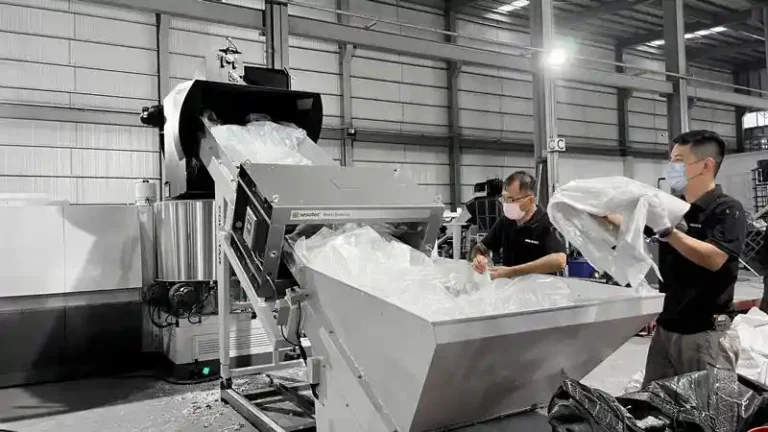
In mechanical recycling, plastic is typically collected, sorted, shredded, melted and processed again. Each of these steps can influence the material.
During repeated heating and processing, some polymer chains can break into shorter chains, a process known as chain scission. Shorter polymer chains can change the molecular weight of the material and, consequently, its viscosity and mechanical properties.
This is one reason why recycled plastic may not process exactly like virgin resin.
The Melt Can Behave Differently
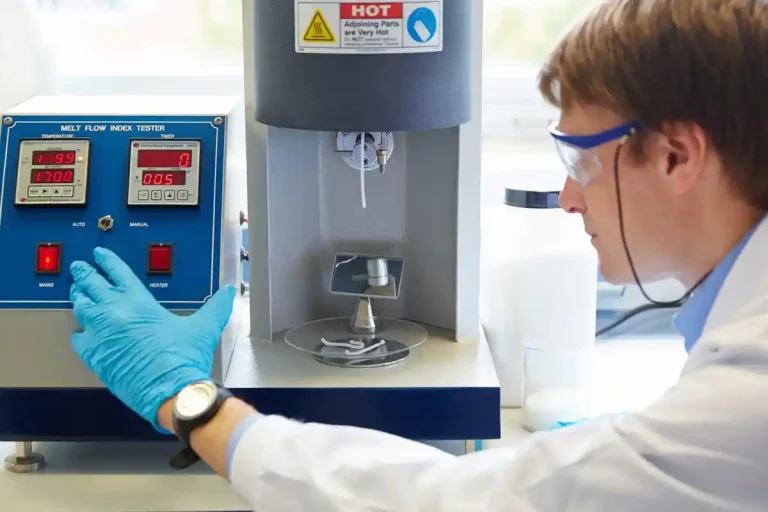
One practical way to see these changes is through melt flow.
As polymer chains become shorter, the material can become less viscous and flow more easily under certain conditions. Melt flow measurements are therefore commonly used to help evaluate the condition and consistency of recycled polymers.
However, recycled plastic does not always behave in exactly the same way. The result depends on the polymer, how many times it has been processed, its previous use and the quality of the recycling process.
It Is Not Only About Polymer Degradation
There is another important difference: recycled plastic can contain a more complex mixture of materials.
Even when a recycling stream is intended to contain one type of polymer, it may include additives, pigments, residues or small amounts of other plastics. Previous use can also introduce contaminants into the material. Research has identified aging, mixed polymers and contaminants as three major factors that distinguish recycled polymers from virgin materials.
This is why sorting and purification are so important.
The cleaner and more consistent the recycled feedstock, the easier it is to produce recycled material with predictable properties.
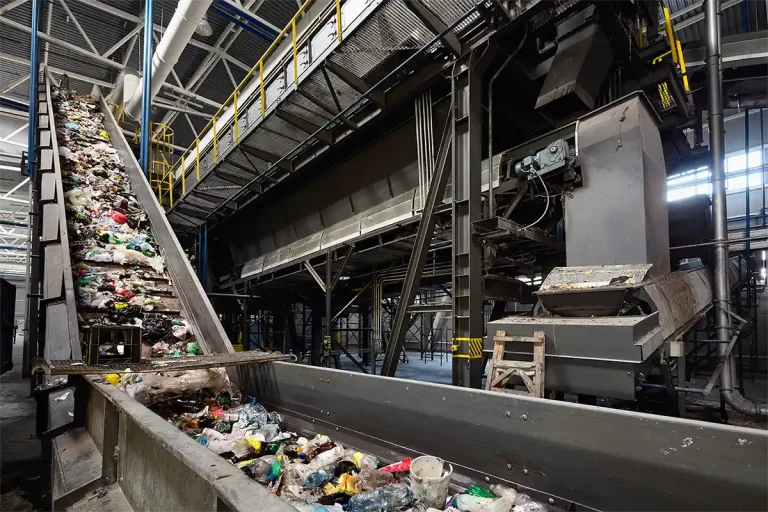
The cleaner and more consistent the recycled feedstock, the easier it is to produce recycled material with predictable properties.
Why Moisture Can Matter
Some polymers are particularly sensitive to moisture during processing.
PET is a good example. When moisture is present during high-temperature processing, hydrolysis can contribute to polymer chain scission and reduce molecular weight and melt viscosity. This is one reason why proper drying is particularly important when processing recycled PET.
So, recycled material is not simply a matter of “melt it and use it again.”
Its previous history matters.
Can Recycled Plastic Perform Like Virgin Plastic?
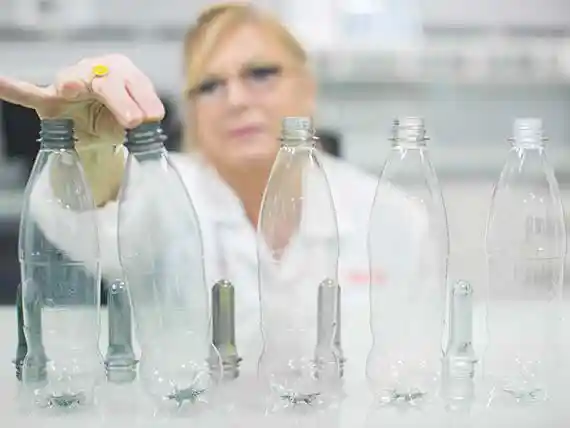
Yes, in many applications—but it depends on the material and the quality of the recycling process.
Modern recycling technologies, sorting systems, stabilizers and processing methods can help improve the consistency and performance of recycled polymers. Research into re-stabilization, for example, focuses on compensating for some of the changes that recycled polymers experience during their first life and subsequent processing.
This is particularly important as manufacturers look for ways to incorporate more recycled content without sacrificing product performance.
Why This Matters for Plastic Manufacturing
Understanding how recycled plastic behaves is becoming increasingly important as the industry moves toward a more circular use of materials.
The goal is not simply to recycle plastic, but to maintain as much of its useful performance as possible through each new application.
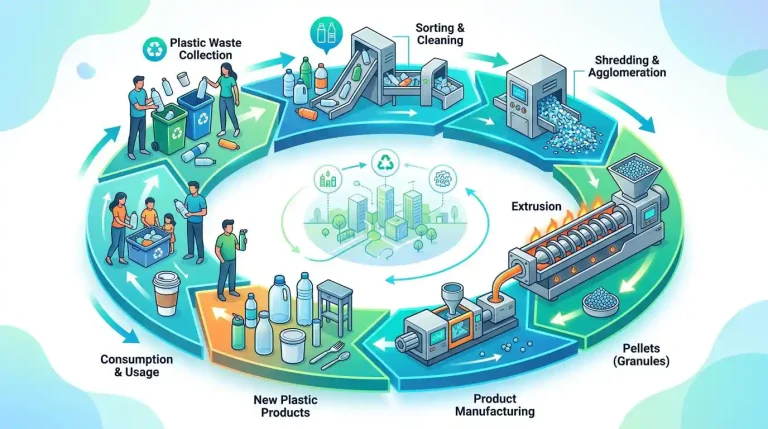
That requires controlling several factors:
- The quality and consistency of the recycled feedstock
- Sorting and contamination
- Moisture content
- Processing temperature and time
- Polymer degradation
- Additives and stabilization
The better these factors are controlled, the more predictable the recycled material becomes.
Conclusion
Recycled plastic behaves differently because its molecular and material history has changed. Heat, mechanical processing, oxidation, moisture and contamination can all influence the polymer and its final properties.
Understanding these changes is essential for turning recycled plastic from simply a recovered material into a reliable resource for new products.
Frequently Asked Questions About Recycled Plastic Properties
1. Why does recycled plastic behave differently than virgin plastic?
Recycled plastic behaves differently because its polymer chains have already experienced heat, mechanical stress, oxidation, and, in some materials, moisture during previous processing cycles. These factors can cause chain scission, reduce molecular weight, and change viscosity and mechanical performance. The final product may look similar to one made from virgin plastic, but the material’s molecular history has changed.
2. What is chain scission and how does it affect recycled plastic?
Chain scission is the breaking of long polymer chains into shorter ones during processing. Repeated mechanical recycling can cause additional chain scission, depending on the polymer, processing temperature, and residence time. Shorter polymer chains typically reduce viscosity and may decrease mechanical strength, which is why recycled resin may not process or perform exactly like virgin material.
3. Why is moisture control important when processing recycled PET?
Recycled PET is particularly sensitive to moisture during high-temperature processing. When moisture is present, hydrolysis can further break polymer chains, reducing molecular weight and melt viscosity. Proper drying before processing is essential to minimize degradation, maintain material performance, and ensure more consistent processing during the resin’s second life.
4. Can recycled plastic perform like virgin plastic?
Yes, in many applications. However, performance depends on the polymer, the quality of the recycling process, and the specific end use. Modern sorting systems, stabilizers, controlled processing conditions, and blending with virgin resin can help produce recycled material with consistent and predictable performance. The cleaner and more consistent the feedstock, the easier it is to achieve properties comparable to virgin material.
5. What are the main factors that determine the quality of recycled plastic?
Several factors are especially important, including the quality and consistency of the recycled feedstock, sorting effectiveness, contamination levels, moisture content, processing temperature and time, and the polymer’s degradation history from previous cycles. Proper control of these factors helps produce recycled plastic with more consistent and reliable properties for new applications.
References
- Schyns, Z. O. G., & Shaver, M. P. Mechanical Recycling of Packaging Plastics: A Review. Macromolecular Rapid Communications, 2021.
- Vilaplana, F., & Karlsson, S. Quality Concepts for the Improved Use of Recycled Polymeric Materials: A Review. Macromolecular Materials and Engineering, 2008.
- Restabilization – 30 years of research for quality improvement of recycled plastics: A review. Polymer Degradation and Stability, 2022.
- Analytical Methods for In-Depth Assessment of Recycled Plastics: A Review. Environments, 2025.
- Molecular and material property variations during the ideal degradation and mechanical recycling of PET. 2024.